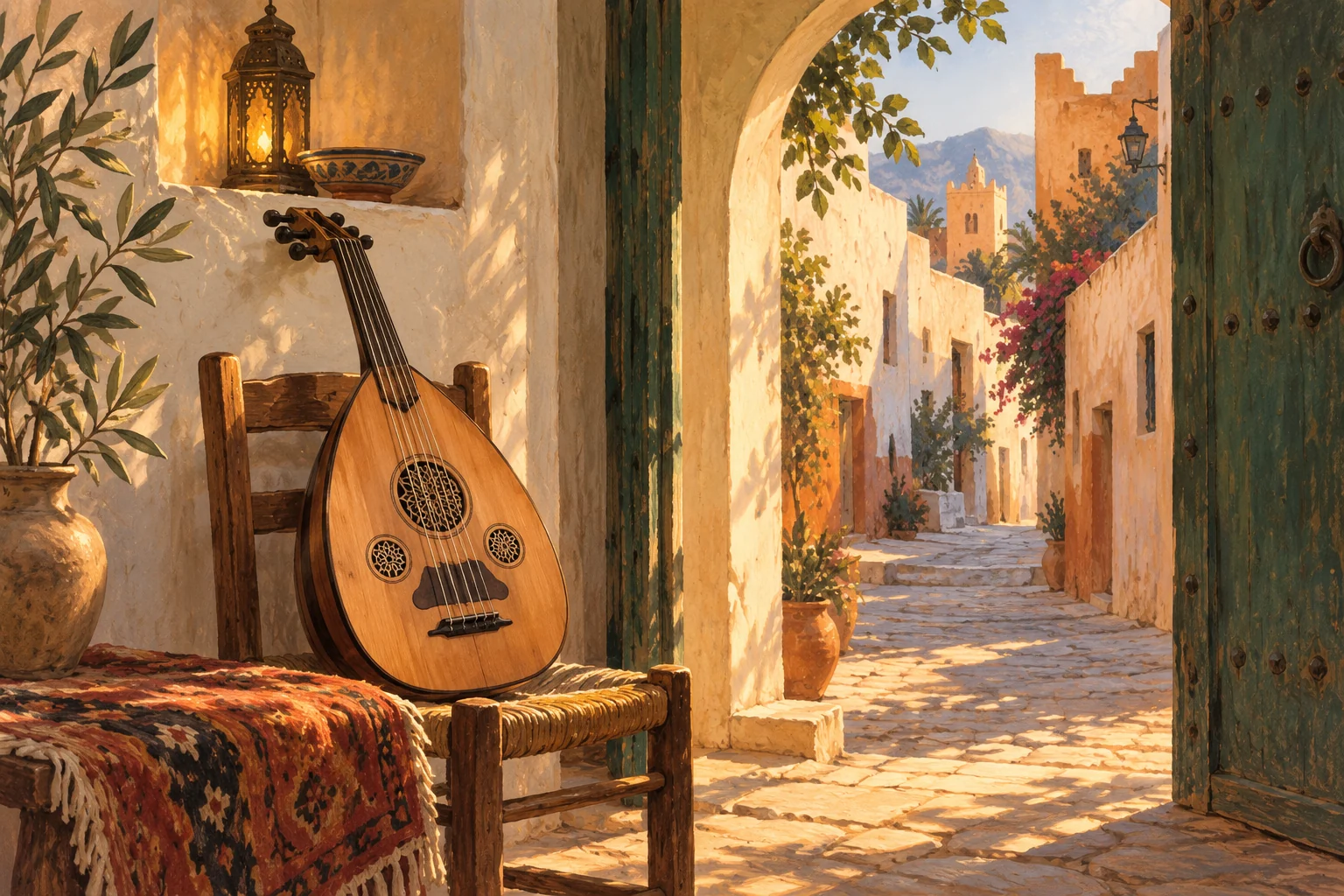
Editorial illustration of medina walking and musical culture themes for Oujda.
Editorial illustration
Trip idea

Oujda: medina walks, Dar Sebti and a musical evening

Oujda, Oriental
Map

Editorial illustration of medina walking and musical culture themes for Oujda.

Story

Your itinerary

Use Oujda’s medina as the starting point for a city stay shaped by public spaces, food and cultural programmes. Dar Sebti gives the visit a cultural focus; a performance belongs in the plan only when its date and venue are confirmed.

Choose your visits

Use this suggested order to build your own trip. Assign days around the opening arrangements, travel connections and visits you choose. No visit duration or transfer time is assumed.

Stop 1: Oujda medina

Explore the public streets at your own pace or with a guide you arrange. Keep the city walk separate from excursions outside Oujda.

Stop 2: Dar Sebti

Check whether an exhibition, visit or cultural event is available during your stay. The building’s cultural role does not guarantee a performance every evening.

Stop 3: Oujda medina food stop

Return to a food stop you choose for karane or another local meal. Ask what is available and agree the price directly before ordering.

Make the trip work

A public-space architecture walk and a café pause can fill time between visits. Read the Oujda karane guide for food setting; choose any live music from an actual listing, with a quiet evening as the alternative.
Along this route

Stops photographed · 3 / 3

Stop guides

Oujda

Stop 1 & 3
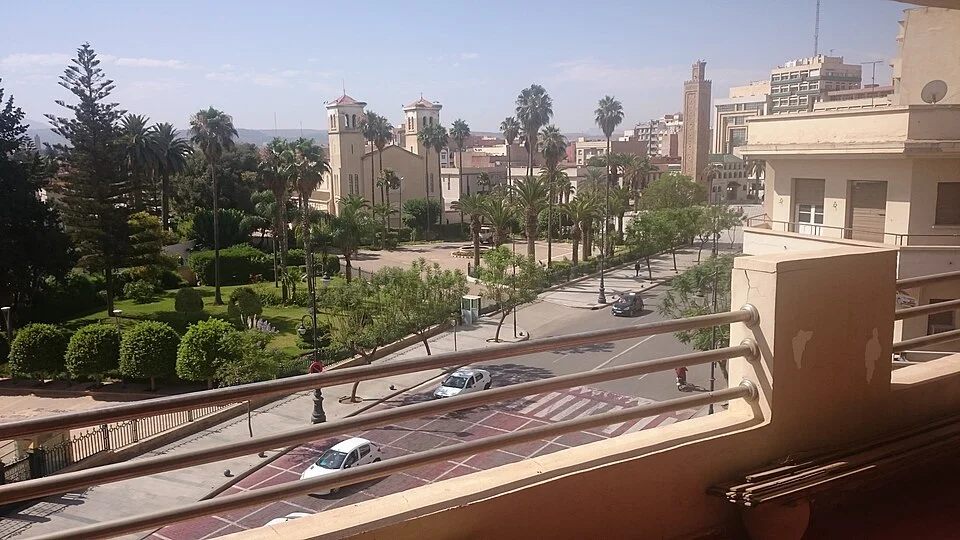
A tree-lined square in central Oujda.
TheNegativeOne47SourceCC BY-SA 4.0

A tree-lined square in central Oujda.

Explore Oujda’s medina, gates and public spaces as an eastern Moroccan city visit, then choose a separate Mediterranean or oasis extension. Plan the exact arrival and onward trip before adding distance.

Begin with the city itself

Oujda offers an eastern Moroccan urban visit that deserves more than a transfer between an arrival terminal and the coast. Start with the medina, its gates and the public spaces that interest you. Choose a connected walk and leave time for food shopping, a café pause and ordinary streets between the sights.

The medina and city gardens provide different ways to shape an outing. If history or architecture is your main interest, arrange a walk that explains specific places rather than simply promising a complete tour. Check the current access of any interior before planning the day around it.

Use the gates and gardens to orient the visit

Bab Al Gharbi and Bab Sidi Abdelouahab give the old town two named points of reference. Start by understanding where they sit in relation to your walk, then let the intervening streets become part of the visit. The Sebti Palace adds an architectural interest, while Lalla Aicha Park offers a different, greener urban setting. These are distinct reasons to spend time in Oujda before continuing toward the coast.

Choose a city walk for what you want to notice: gates and street patterns, everyday food shopping or public spaces. Keep the focus on Oujda itself for part of the stay. A Mediterranean holiday in Saidia and an inland oasis journey to Figuig may both begin with an Oujda arrival, but neither substitutes for exploring the city through which you are passing.

Make food and shopping part of the visit

Use regional food entries to recognise ingredients or dishes you want to understand. Ask a venue what it is preparing and describe any dietary needs. A culinary tradition is a reason to explore, but it does not establish today’s menu at a particular address.

In markets and working streets, ask before close photographs and keep space for people shopping or delivering goods. A craft demonstration, a retail visit and a hands-on session are different experiences; agree the purpose and any payment before taking part.

Oujda

Dar Sebti Gharnati Music House

Stop 2
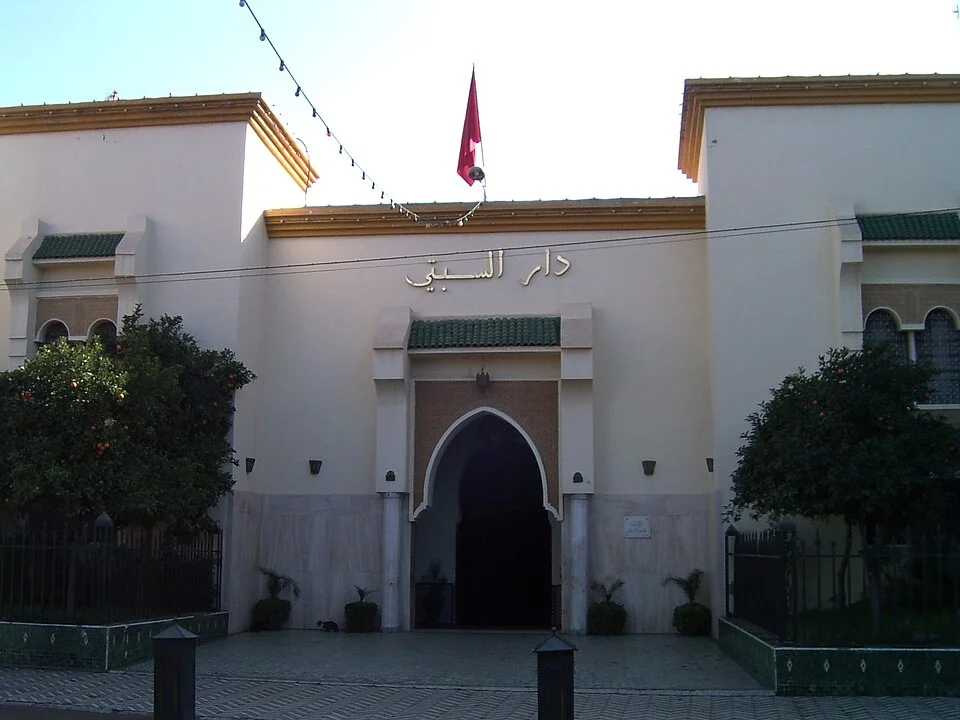
The entrance to Dar Sebti in Oujda under a Moroccan flag.
IznassenSourceCC BY-SA 3.0

The entrance to Dar Sebti in Oujda under a Moroccan flag.

Dar Sebti gives Oujda's music history an architectural address. Built as an urban palace in the twentieth century and later restored, the house is associated with study and programming around Gharnati music, Oujda's Andalusian repertoire. A worthwhile visit listens before it labels: an authorized musician or researcher can introduce rhythmic suites, instruments and the relationship with traditions across the wider Maghreb, while the courtyard and reception rooms show how music inhabits social space.

Season and access

Confirm public opening and all music programming with the responsible cultural body; a recital, rehearsal or private reception is never implied by ordinary access.

Dar Sebti Gharnati Music House

Road map

The stop map is not available yet.

Travel guide · Oriental

Oujda