Ways it is served
El qfafel is recorded as a perfumed biscuit of northern Morocco within the broader kaak family. The name should not be filled out with invented palace stories or a false protected designation. A bakery may use anise, sesame, citrus or floral water, yet the commercial listing must say which. The visitor-facing experience can be strong precisely because it is comparative—qfafel beside Tetouan pastries, Oujda rings and Essaouira kaak—showing how a shared pastry vocabulary changes across the country while respecting the limits of the written record.
Ingredients
Core
- wheat flour
- sugar
- cooking fat
- salt
Optional or maker-specific
- anise
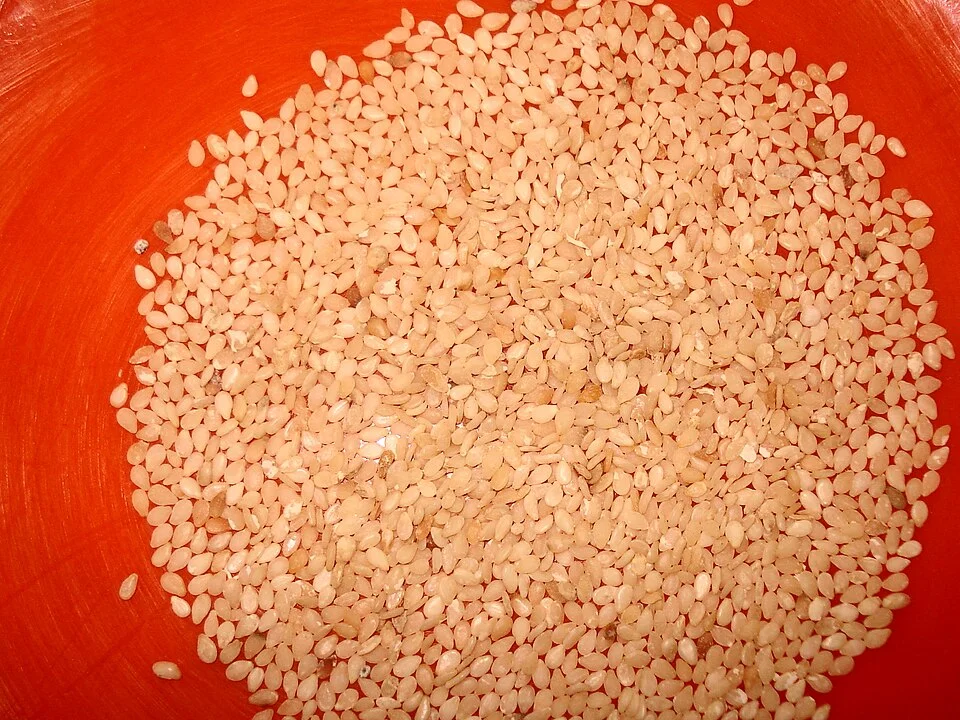
- sesame
- citrus zest
- orange blossom water
- eggs
How it is made
- Mix and rest the dough, then form the attributed shape at consistent thickness.
- Bake to the stated dry or tender finish, cool completely and label every allergen.
Cultural accounts
Culinary reference works list el qfafel as a northern Moroccan perfumed biscuit. No specific origin legend is asserted; household and bakery documentation supplies the missing detail.