Pain Petri
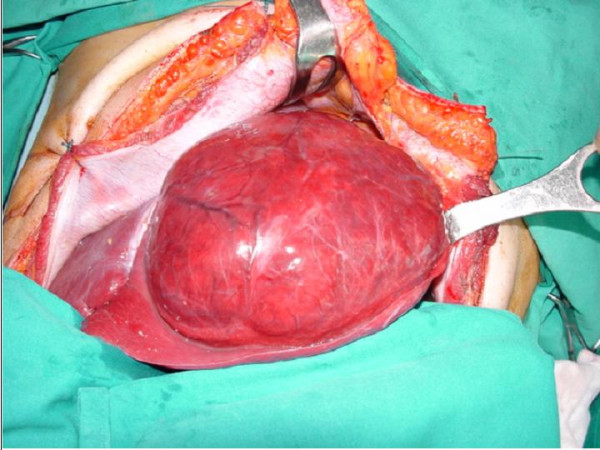
Intraoperative view of the tumour. Removal of a giant hepatocellular adenoma via lobectomy of left liver lobe.
Description and itinerary setting
Pain petri is a braided Moroccan Jewish bread scented with anise and showered with sesame. Eggs, oil and a little sugar enrich the wheat dough, yet the loaf remains a meal bread rather than cake. It may be braided as a slim oval, a ring or a household-specific design, brushed with egg and baked until burnished. Served for Shabbat and festive days, it belongs beside salads, fish, tagines or dafina rather than in a generic pastry case. The French-derived name points to kneading, while its story reaches into the communal ovens where families once marked loaves with recognizable shapes.
Ingredients and raw materials
Core
- wheat flour
- water
- eggs
- yeast
- oil
- sugar
- salt
- anise seed
- sesame
Optional or maker-specific
- orange blossom water
- fennel seed
How it is made
- Mix and knead the enriched, anise-scented dough until elastic; allow it to rise.
- Divide into ropes and braid into an oval, ring or documented household form, then proof again.
- Brush with egg, scatter with sesame and bake until the crust is deep gold and the crumb is set.
Serving and dietary notes
- Gluten Watch: wheat
Cultural accounts
Sources on Moroccan Jewish foodways describe decorated Sabbath and holiday loaves carried to communal bakeries, with family-specific forms helping households recognize their bread. Pain petri continues that braided, anise-scented tradition in Morocco and its diaspora.
Table & terroir
Roots on the map
- Town or city
- Moroccan Jewish communities, especially Fez-linked family traditions
- Region
- Multi-region
Table & terroir
At the Moroccan table
- Food family
- Moroccan-traditional
Region map
Cook, taste, or eat this with a local
No partner offers are attached yet.
If you offer an experience around Pain Petri, claim it in the partner portal.