Ways it is served
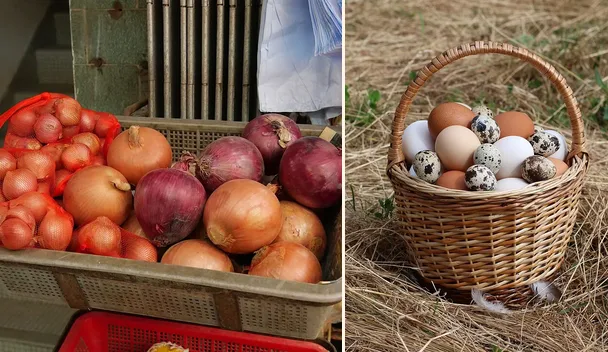
Haminados are whole eggs cooked for hours until their whites turn beige or amber and their yolks become creamy and concentrated. In Moroccan Jewish kitchens they may cook inside dafina, where onion skins, tea, spices and the stew itself deepen the shells’ color, or in a separate covered pot. The result is not a hard-boiled egg with decorative dye but a slow-cooked Sabbath component with a distinct nutty savor. Served peeled with salt and cumin, beside salads, or as part of the dafina platter, haminados offer a focused heritage tasting for visitors who may not want the full stew.
Ingredients
Core
- whole eggs
- water
- salt
Optional or maker-specific
- onion skins
- tea
- coffee
- oil
- dafina broth
How it is made
- Inspect and gently wash whole uncracked eggs, then place them in a snug covered pot or within dafina.
- Add water and the household coloring ingredients, bring to a controlled simmer, then reduce the heat.
- Cook for several hours under continuous safe heat, cool only under food-safe conditions, peel and season for service.
Cultural accounts
Haminados belong to the Sephardic Sabbath repertoire of foods prepared before rest begins. Moroccan households often nestle the eggs in dafina, making color, flavor and religious timing part of one cooking system.